


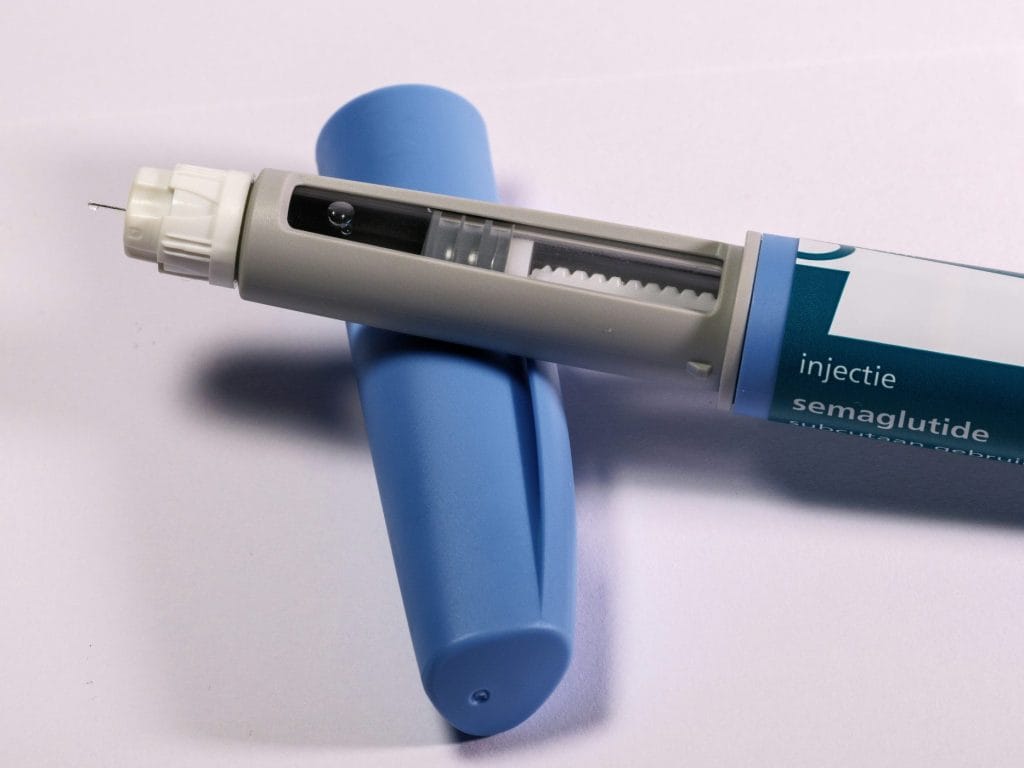
What Are GLP-1s?
GLP-1 (glucagon-like peptide-1) receptor agonists mimic a natural hormone that helps regulate appetite, slow stomach emptying, and improve the body’s response to insulin. These medications were originally developed for type 2 diabetes, with the first FDA approvals beginning in 2005.
While they were created to help lower blood glucose, research has continued to expand. Studies have shown GLP-1s may also:
-
Reduce liver fat and lower the risk of fatty liver disease
-
Improve cholesterol and triglyceride levels
-
Lower the risk of major cardiovascular events like heart attack and stroke
Because of these broader health benefits, certain GLP-1 medications have also received FDA approval for chronic weight management in individuals who meet specific criteria.
Who GLP-1s May Be Appropriate For
These medications may be a good fit for:
-
Individuals with type 2 diabetes who need additional support controlling blood glucose alongside nutrition and lifestyle changes
-
Adults with obesity (BMI ≥30)
-
Adults with overweight (BMI ≥27) plus a weight-related condition such as hypertension, high cholesterol, or sleep apnea
-
People who have tried meaningful nutrition, movement, and behavioral changes but haven’t seen sufficient improvement in weight or metabolic health
When paired with a balanced, nutrient-dense diet and consistent movement, GLP-1s can help reduce appetite, support weight loss, and improve metabolic markers.
Who GLP-1s Are Not For
GLP-1 medications are not appropriate for:
-
Individuals with a personal or family history of medullary thyroid carcinoma or MEN-2 syndrome
-
Those with a history of pancreatitis
-
Individuals with severe gastrointestinal disease
-
People who are pregnant or breastfeeding
-
Anyone seeking a quick fix or short-term diet tool—GLP-1s are intended to be part of a long-term, medically supervised plan
These medications may also not be necessary for people who can effectively meet their health goals through sustainable diet and lifestyle changes alone. Regardless of your health status, it’s important to discuss the risks and benefits with your primary care provider and healthcare team.
Dietitian Takeaways
GLP-1 medications can be helpful for some people, but they’re not a one-size-fits-all solution—and definitely not a cure-all. In many cases, it becomes even more important to focus on nutrition, movement, sleep, and overall lifestyle habits while using these medications.
Because GLP-1s often reduce appetite significantly, overall food intake can drop quickly. This makes it essential to prioritize:
-
Protein (to maintain muscle mass)
-
Fiber (for digestion, regularity and blood sugar control)
-
Vitamins and minerals (which can be under-consumed when appetite is low)
-
Fluids (to support hydration and reduce constipation)
Working with a dietitian can help you create a plan that meets your nutrition needs, minimizes side effects like nausea or constipation, and supports long-term success—whether you’re starting medication, currently taking it, or transitioning off.
Considering a GLP-1?
If you’re thinking about trying a GLP-1 medication, talk with your healthcare team. A registered dietitian can help you optimize your nutrition and build habits that support sustainable health—no matter where you are in your journey.